Canada continues to be one of the world's most popular travel destinations, attracting millions of visitors each year. From the vibrant streets of Toronto and Vancouver to the breathtaking landscapes of Banff National Park and Niagara Falls, Canada offers something for every traveler.
If you're planning to visit Canada in 2026, understanding the visa requirements and preparing the correct documents can help make your application process smoother.
What Is a Canada Visitor Visa?
A Canada Visitor Visa, also known as a Temporary Resident Visa (TRV), allows eligible travelers to visit Canada for purposes such as:
- Tourism
- Family visits
- Business meetings
- Short-term events
- Leisure travel
The visa is intended for temporary stays and does not authorize long-term employment in Canada.
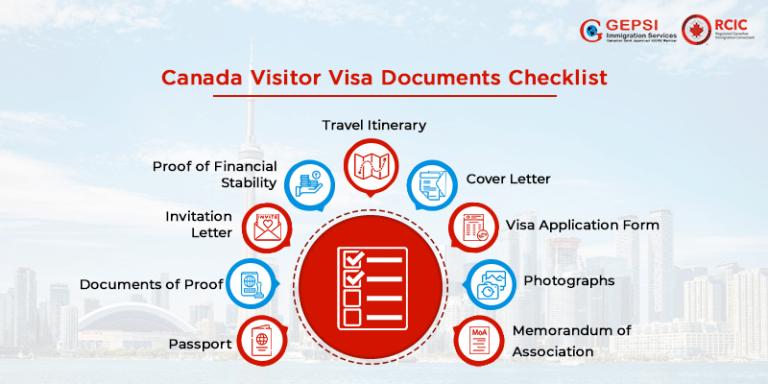
1. Valid Passport
Your passport is one of the most important documents in your application.
It should:
- Be valid throughout your intended stay
- Be in good physical condition
- Contain accurate personal information
- Have sufficient blank pages
Always ensure your passport details match the information in your application.
2. Completed Visa Application Form
Applicants must complete the official visa application form accurately.
Before submission:
- Review personal information carefully
- Verify passport details
- Double-check travel plans
- Ensure contact information is correct
Even minor errors can cause delays.
3. Proof of Financial Support
Canadian immigration authorities may require evidence that you can financially support yourself during your trip.
Common documents include:
- Recent bank statements
- Salary slips
- Employment letters
- Business records
- Sponsorship documents
Your financial records should clearly demonstrate your ability to cover travel expenses.
4. Travel Itinerary
Although exact travel plans may change, providing a clear itinerary can strengthen your application.
Your itinerary may include:
- Planned arrival date
- Planned departure date
- Cities you intend to visit
- Major travel activities
A well-organized itinerary helps explain the purpose of your visit.
5. Flight Reservation
Many travelers include a flight reservation as part of their supporting documents.
A flight reservation generally shows:
- Passenger name
- Flight route
- Travel dates
- Airline details
- Booking reference (PNR)
It helps demonstrate intended travel plans without requiring the purchase of a non-refundable airline ticket before a visa decision is made.
6. Hotel Reservation or Accommodation Details
Applicants should be prepared to explain where they intend to stay.
Acceptable accommodation evidence may include:
- Hotel reservations
- Vacation rental bookings
- Accommodation confirmations
- Invitation letters from hosts
Accommodation details should align with your travel itinerary.
7. Employment or Business Evidence
Providing evidence of your professional commitments can help support your application.
Employees
- Employment verification letter
- Leave approval letter
- Salary certificate
Business Owners
- Business registration documents
- Tax records
- Company information
These documents may help demonstrate ongoing ties to your home country.
8. Travel History
Previous international travel can sometimes support your application.
If applicable, provide:
- Previous visas
- Entry and exit stamps
- Travel records
A positive travel history may help demonstrate compliance with immigration requirements.
9. Letter of Purpose
A Letter of Purpose explains:
- Why you want to visit Canada
- Planned duration of stay
- Travel arrangements
- Funding for the trip
A clear and professional explanation can help immigration officers understand your application.
Common Mistakes to Avoid
Many applicants experience delays because they:
❌ Submit incomplete documents
❌ Provide inconsistent travel dates
❌ Upload unclear supporting documents
❌ Fail to explain the purpose of travel
❌ Submit outdated financial records
Careful preparation can help prevent these issues.
Final Thoughts
A successful Canada Visitor Visa application starts with proper planning and complete documentation. Ensuring consistency between your travel itinerary, flight reservation, accommodation details, and financial records can help create a stronger application.
Before applying, carefully review all requirements and ensure that every document is accurate, up to date, and easy to understand.