Many travelers become confused when an embassy asks for proof of travel plans. Some people immediately purchase an airline ticket, while others choose a flight reservation. Understanding the difference between these two documents can help you save money and avoid unnecessary risks during the visa application process.
In this guide, we'll explain how flight reservations and flight tickets differ and which option is generally more suitable before your visa is approved.
What Is a Flight Reservation?
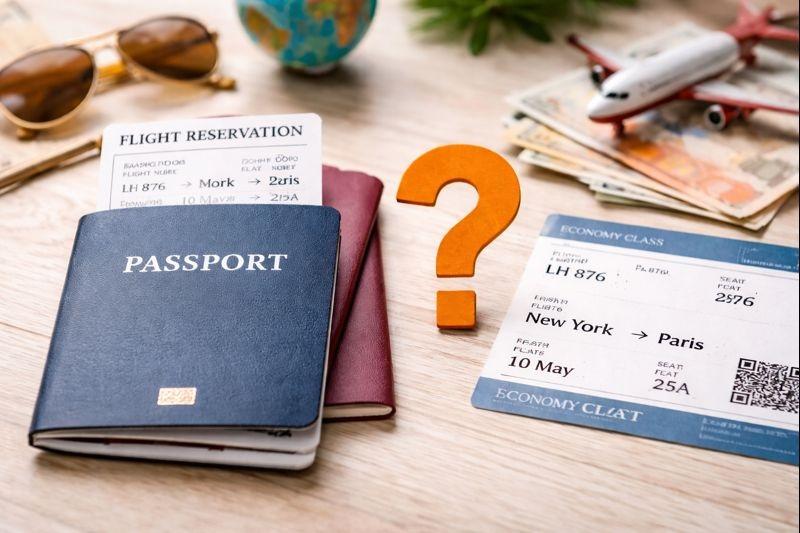
A flight reservation is a temporary booking that outlines your intended travel plans.
It typically includes:
- Passenger name
- Flight route
- Airline details
- Flight numbers
- Travel dates
- Booking reference (PNR)
The reservation serves as proof of your travel itinerary without requiring you to purchase a fully paid airline ticket.
What Is a Flight Ticket?
A flight ticket is a confirmed and paid booking issued by an airline or travel agency.
A ticket usually includes:
- Confirmed seat allocation
- Ticket number
- Payment confirmation
- Travel itinerary
- Airline booking details
Unlike a reservation, a ticket represents an actual purchase.
Key Differences Between a Flight Reservation and a Flight Ticket
| Feature | Flight Reservation | Flight Ticket |
|---|---|---|
| Payment Required | No full ticket purchase | Fully paid |
| Financial Risk | Low | Higher |
| Purpose | Visa application | Actual travel |
| Flexibility | More flexible | Depends on airline rules |
| Cancellation Costs | Usually minimal | May include fees |
Understanding these differences helps applicants choose the option that best fits their situation.
Why Many Travelers Choose Flight Reservations
Purchasing an international ticket before receiving a visa decision can be risky.
Common concerns include:
- Visa processing delays
- Changes in travel plans
- Unexpected document requests
- Visa refusal
A flight reservation helps applicants prepare their documentation while avoiding the financial commitment of purchasing airline tickets too early.
Are Flight Reservations Accepted by Embassies?
Many embassies request proof of travel plans rather than proof of a purchased ticket.
A flight reservation helps show:
- Intended travel dates
- Entry and exit plans
- Proposed route
- Length of stay
Applicants should always verify specific requirements with the embassy where they are applying.
When Should You Buy a Flight Ticket?
In many cases, travelers wait until:
✅ Visa approval is received
✅ Travel dates are confirmed
✅ Accommodation plans are finalized
This approach helps reduce financial risk and provides greater flexibility.
Supporting Documents for Visa Applications
A flight reservation is often submitted alongside:
🏨 Hotel Reservation
🛡️ Travel Insurance
📄 Visa Application Form
💰 Financial Documents
Together, these documents help create a complete travel profile for visa officers.
Common Mistakes to Avoid
Many applicants unintentionally create problems by:
❌ Purchasing expensive tickets too early
❌ Using inconsistent travel dates
❌ Submitting incomplete travel documents
❌ Failing to review embassy requirements
Careful planning can help prevent these issues.
Which Option Is Better?
For most visa applicants, a flight reservation is often the more practical choice before receiving a visa decision. It provides the travel information embassies typically require while allowing travelers to avoid the risks associated with purchasing airline tickets too early.
Once the visa is approved, travelers can proceed with booking their actual flights based on their confirmed travel plans.
Final Thoughts
Both flight reservations and flight tickets play important roles in international travel, but they serve different purposes. A flight reservation is primarily used to support a visa application, while a flight ticket is intended for actual travel.
Understanding the difference can help travelers make informed decisions, protect their budget, and prepare a stronger visa application.