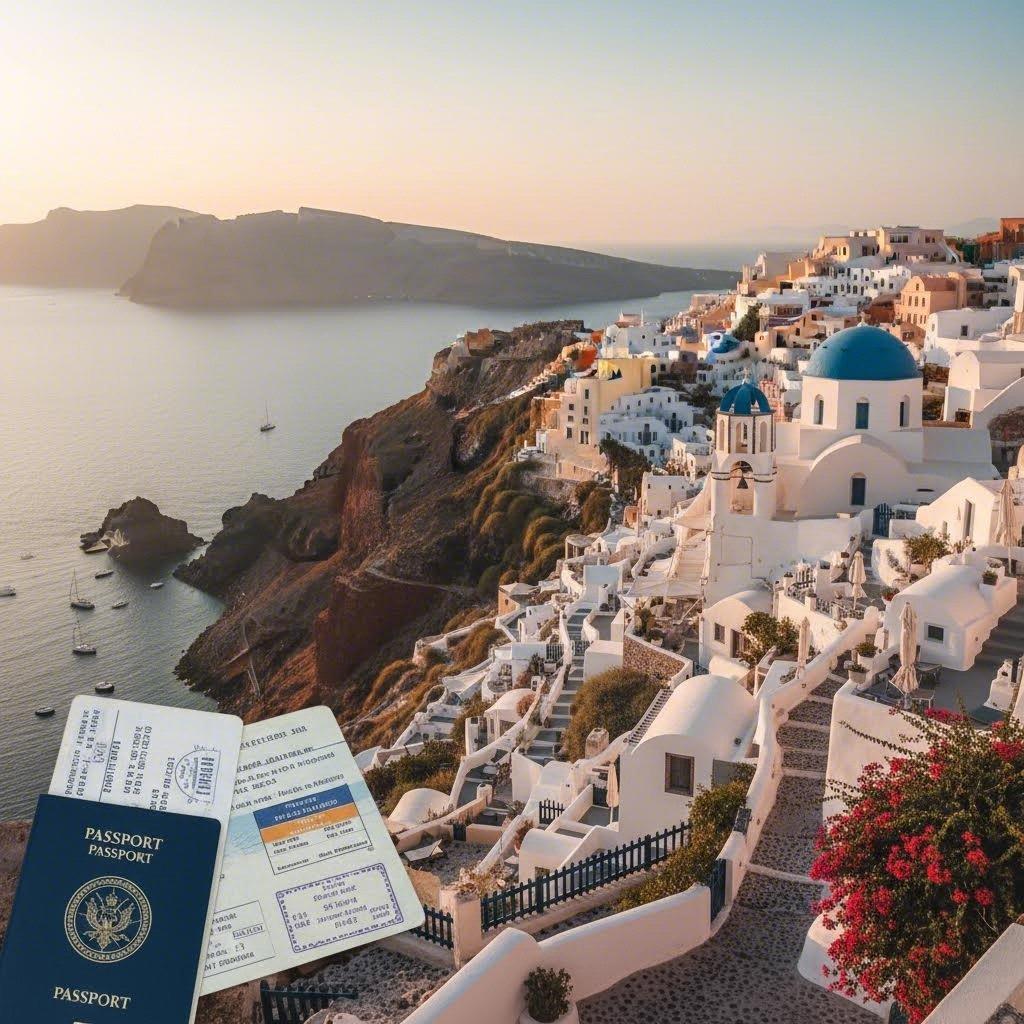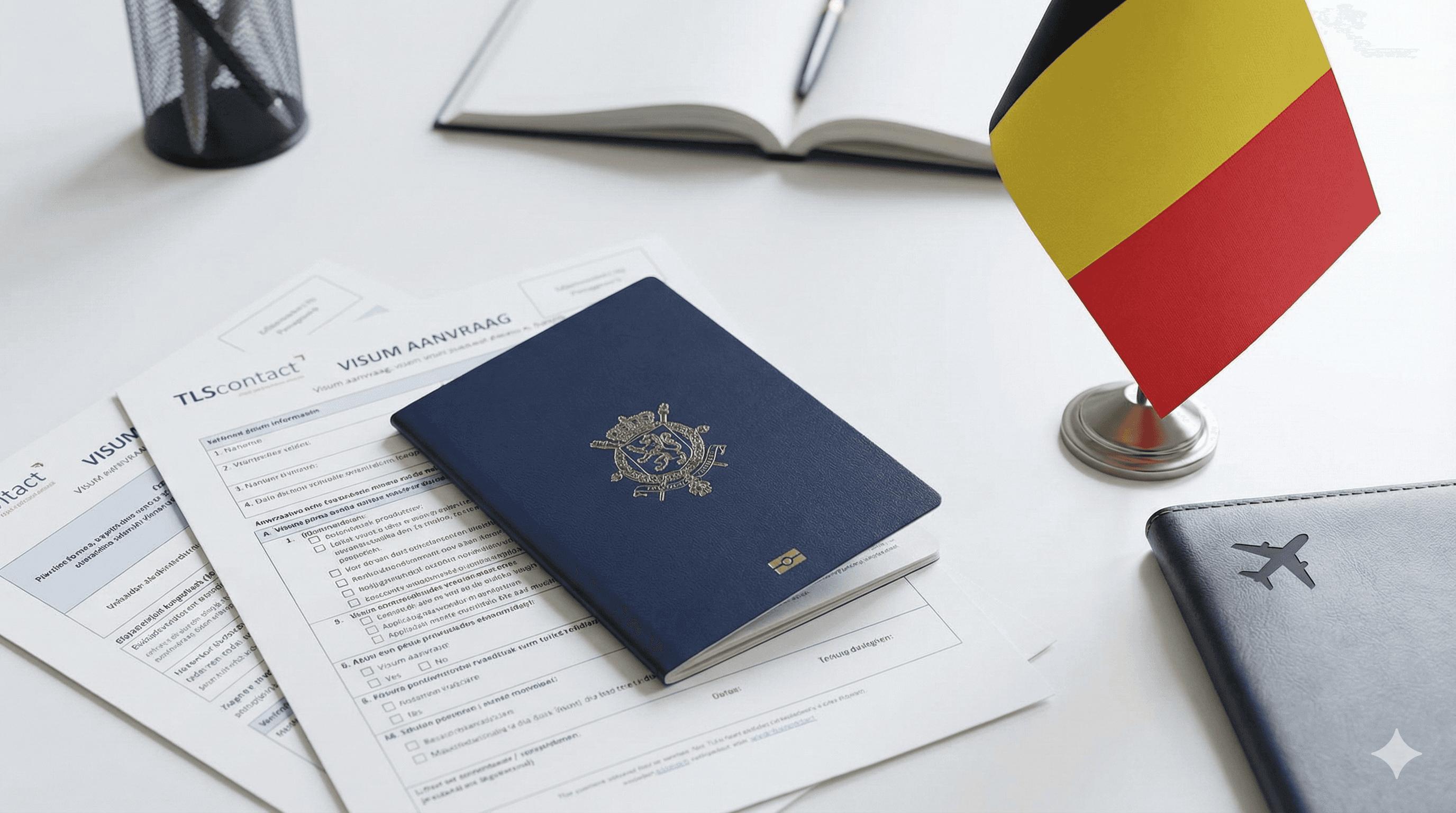
When applying for a visa, one of the most important parts of your application is proving that you have a clear and realistic travel plan. This is where a travel itinerary becomes essential.
A well-prepared itinerary helps visa officers understand your trip, including when you plan to travel, where you intend to stay, and how long you expect to remain in the destination country.
Many applicants underestimate the importance of this document, but a properly organized itinerary can strengthen the overall quality of a visa application.
What Is a Travel Itinerary?
A travel itinerary is a document that outlines your planned trip from start to finish.
It may include:
- Flight details
- Travel dates
- Destination cities
- Accommodation information
- Planned activities
- Return travel arrangements
The purpose is to provide a clear overview of your intended journey.
Why Do Embassies Ask for a Travel Itinerary?
Visa officers review hundreds of applications every week. A travel itinerary helps them quickly understand:
- Your reason for travel
- Length of stay
- Planned accommodation
- Entry and exit dates
- Overall travel schedule
A detailed itinerary demonstrates that you have carefully planned your trip.
What Should Be Included in a Travel Itinerary?
Travel Dates
Clearly mention:
- Departure date
- Arrival date
- Return date
These dates should match all supporting documents.
Flight Reservation
Include:
- Airline information
- Flight numbers
- Departure and arrival airports
- Travel schedule
A flight reservation often serves as the foundation of the itinerary.
Accommodation Details
Provide:
- Hotel name
- Hotel address
- Check-in date
- Check-out date
Accommodation dates should align with your travel schedule.
Daily Travel Plan
While not always required, a basic day-by-day schedule can strengthen your application.
For example:
Day 1: Arrival in Paris
Day 2: City sightseeing
Day 3: Visit local attractions
Day 4: Business meeting
Day 5: Return flight
Simple and realistic plans are usually sufficient.
Benefits of a Well-Prepared Travel Itinerary
Demonstrates Organization
A structured itinerary shows that you have planned your journey responsibly.
Supports Other Documents
Your itinerary helps connect:
✈️ Flight Reservation
🏨 Hotel Reservation
🛡️ Travel Insurance
📄 Visa Application
Consistency across documents is important.
Helps Avoid Questions
Clear travel plans reduce confusion and make it easier for visa officers to understand your application.
Common Mistakes to Avoid
Many applicants unintentionally create issues by:
❌ Using conflicting travel dates
❌ Including unrealistic travel plans
❌ Forgetting accommodation details
❌ Submitting incomplete itineraries
❌ Providing information that does not match other documents
Before submission, carefully review all dates and travel information.
Should You Book Everything Before Visa Approval?
Many travelers worry that they need to purchase flights and hotels before receiving a visa decision.
In most cases, embassies simply require proof of planned travel arrangements rather than fully paid bookings.
This allows applicants to prepare their documents while minimizing financial risk.
Tips for Creating a Professional Itinerary
- Use the same name shown in your passport
- Keep travel dates realistic
- Ensure all documents match
- Review embassy requirements
- Present information clearly and professionally
A simple, accurate itinerary is often more effective than an overly complicated one.
Final Thoughts
A travel itinerary is one of the most valuable supporting documents in a visa application. It helps explain your travel plans, supports your flight and hotel reservations, and gives visa officers a clear understanding of your intended journey.
By preparing a detailed and consistent itinerary, applicants can create a stronger application and avoid many of the common mistakes that lead to delays during visa processing.