When planning an international trip, most travelers focus on flights, hotels, and visa forms. However, one document that is often overlooked until the last minute is travel insurance. For many countries, travel insurance is not just recommended—it is a mandatory requirement for obtaining a visa.
Understanding why travel insurance matters and choosing the right coverage can help make your visa application process smoother and provide peace of mind during your journey.
What Is Travel Insurance?
Travel insurance is a policy designed to protect travelers against unexpected events that may occur before or during a trip. Depending on the policy, it may cover:
- Medical emergencies
- Hospitalization expenses
- Emergency medical evacuation
- Trip interruptions
- Lost or delayed baggage
- Travel delays
For visa purposes, embassies usually focus on medical coverage rather than trip-related benefits.
Why Do Embassies Require Travel Insurance?
Governments want to ensure that visitors can cover unexpected medical expenses while staying in their country. Without insurance, travelers may face significant healthcare costs in the event of an accident or illness.
Travel insurance demonstrates that you have planned responsibly and can manage unforeseen situations during your stay.
Which Countries Commonly Require Travel Insurance?
Travel insurance is often required for:
- Schengen Countries
- UAE
- Turkey
- Russia
- Cuba
- Several European destinations
Requirements may vary depending on nationality and visa type.
How Much Coverage Do You Need?
Coverage requirements differ by destination. Many travelers choose plans that offer:
- Emergency medical coverage
- Hospitalization benefits
- Emergency assistance services
For many visa applications, a coverage amount of $50,000 or more is commonly selected to meet embassy requirements and provide adequate protection during travel.
Factors That Affect Travel Insurance Cost
Travel insurance premiums are usually based on:
Traveler's Age
Older travelers often pay higher premiums due to increased risk factors.
Trip Duration
Longer trips generally cost more than short visits.
Destination Country
Medical costs vary from country to country, affecting insurance pricing.
Number of Travelers
Families and groups may qualify for special pricing or discounts.
Common Mistakes to Avoid
Many applicants make avoidable mistakes when purchasing travel insurance:
- Buying coverage with insufficient medical limits
- Selecting dates that do not match travel plans
- Waiting until the last minute
- Choosing a policy that does not meet embassy requirements
Carefully reviewing the policy details before submission can help prevent delays in visa processing.
Travel Insurance and Other Visa Documents
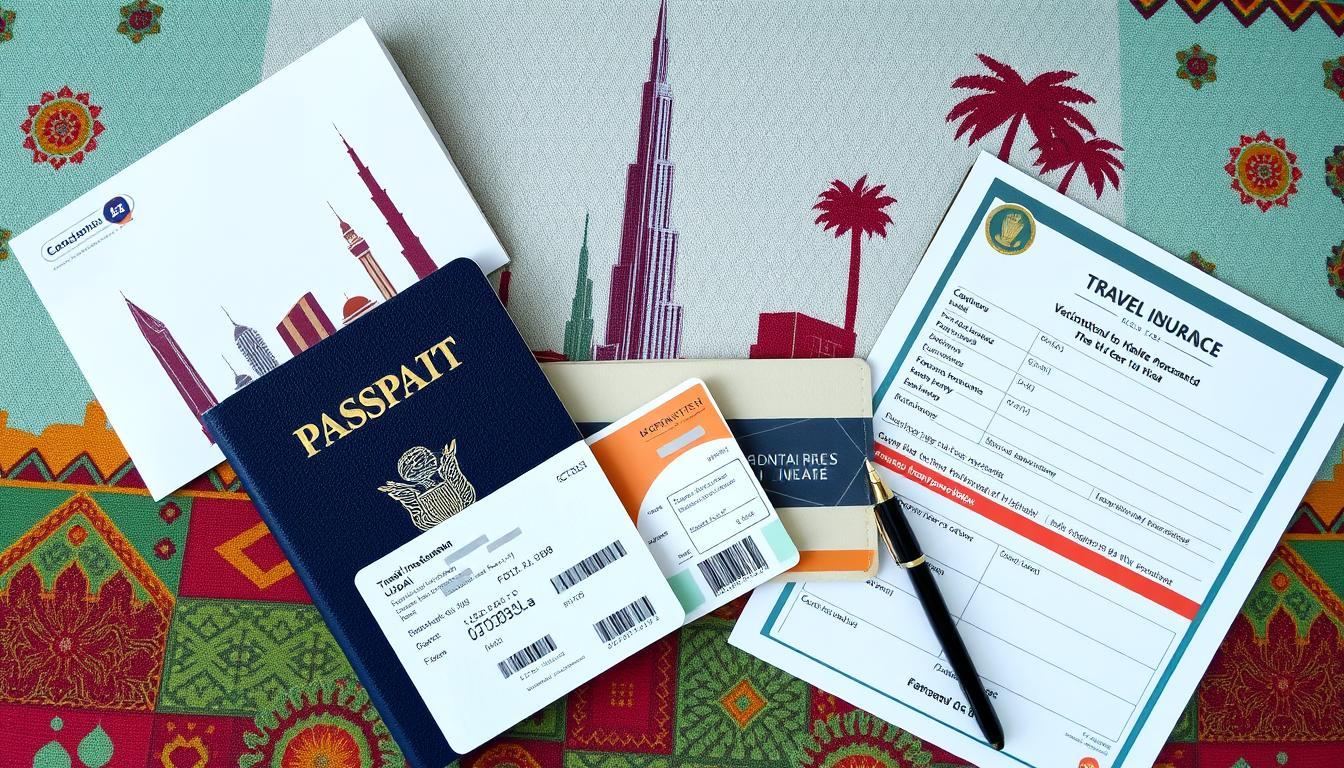
Travel insurance is usually submitted alongside:
✈️ Flight Reservations
🏨 Hotel Reservations
📑 Visa Application Forms
Together, these documents create a complete travel profile that supports your visa application.
Final Thoughts
Travel insurance is more than just a visa requirement. It provides financial protection and peace of mind while traveling abroad. Whether you are visiting Europe, the Middle East, North America, or another destination, having the right coverage can help you travel with confidence.
Before submitting your visa application, make sure your insurance policy meets the requirements of your destination country and aligns with your travel dates.